Written by Kelly Quintana Photographs by Anirudh Dhannayak
The first real tree Anita had seen was a picture. When she was old enough to understand the concept of a secret, her mom ushered her into her office. Anita’s first time stepping into the room. The office door was always closed, but Anita would catch glimpses of the space each time her mom walked in and out. She’d pretend to be focused on something else. Her dolls, a stain on her shirt, and a crooked photo frame. Then, as the door swung open and her mom turned her back, she’d strain her neck to see as much as she could. It was never enough time.
In those seconds between open and closed, Anita had seen flashes of brown and green: a desk, a lamp, a computer, images hanging on the wall, green ribbons in various shades and shapes, some with pretty, crafted flowers that seemed to bloom. Standing in the space for the first time, Anita realized how silly she’d been to think she knew anything about this office or her mother. She looked at the contents of the desk and the wall and understood why her mother locked this room up like it was dangerous.
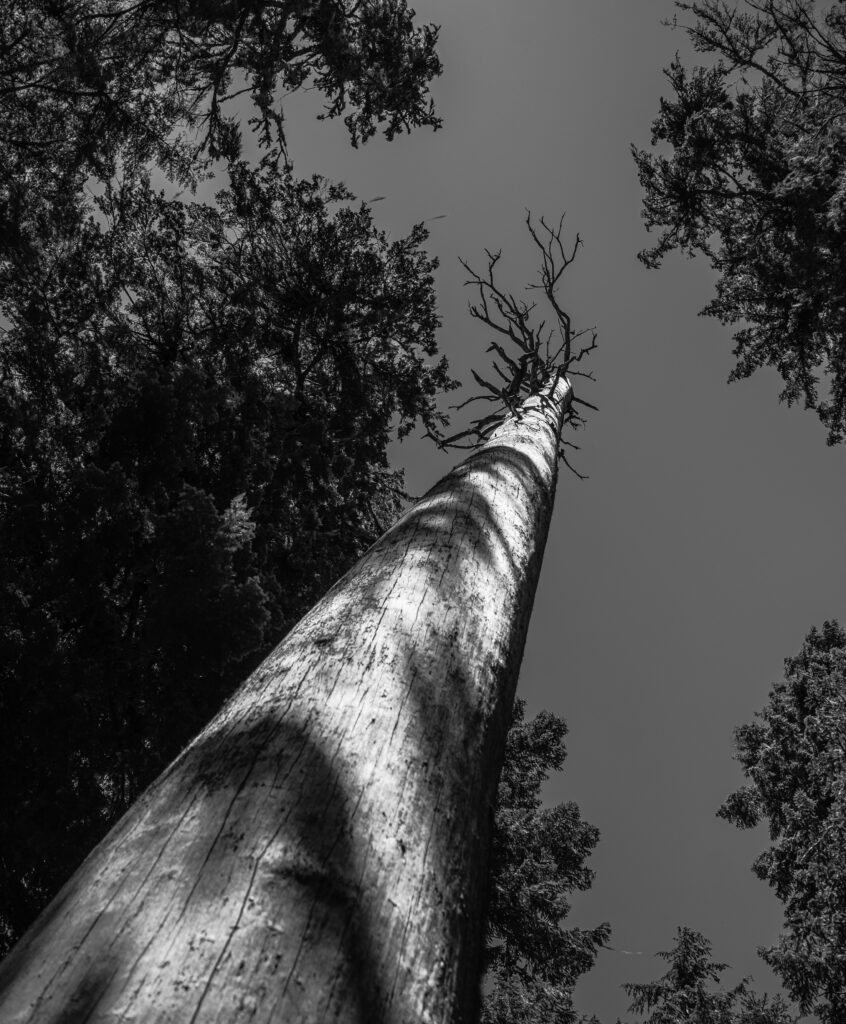
It was not what her eyes could see but what her lungs could feel. The smell in there didn’t have the hint of rust that was in every other space in the house, in the neighborhood, in the city. The government-approved synthetic oxygen was not funneling into the room. Anita remembers needing to close her eyes. She remembers having to rush out of the room back to the air she was used to. It’d taken her a moment. Her body, even after generations, seemed to respond to the air in that office. It made her head feel light; her body instantly relaxed despite the tension in her head. When she went back inside, she really let herself look. It required a lot of concentration. Her brain wanted to focus on breathing, lungs, and heart, starving for the sustenance it needed but had been refused for so long.
Her mother had pictures of real trees. The ribbons of green she’d spotted weren’t ribbons at all. These were vines, real vines spilling from the dirt. What she’d assumed to be fabric or some other synthetic material that her mother had shaped into flowers was in fact real flowers. This office was filled with illegal material. As a result of the images of real nature, the real plants, to the papers on the desk, which Anita realized were also real, from real trees. Her mom could be sent to prison. They wouldn’t even offer her a trial. It was considered a grave offense to remind people of what they’d lost. The government didn’t appreciate when someone mentioned the times before, when oxygen came from real trees and not synthetic stuff you need to buy.
That was the evening Anita learned about her grandma and her great-grandma, how they’d been archivists, and how now Anita’s mom was an archivist, but not really. It wasn’t work she got paid for because it was work that was considered a crime. How could people mourn what they did not know they lost? So, the mass erasure happened. In some cases, rather than waiting for a piece of nature to die out, they simply burnt it down themselves. Anyone who tried to stop it, anyone who tried to record and preserve the old, was imprisoned or murdered.
People slowly forgot that once, air did not smell like rust. Anita had never known any other kind of air until that evening. Her mother always told her she could be and do whatever she wanted. There was no need for her to continue her family’s work. There were others dedicated to preservation, to ensuring materials remained so that, when the time came, people could be reminded. For a while, Anita tried. She’d been scared to follow in the footsteps of the women who came before her. That evening, she’d thanked her mother for the trust and the gift of seeing real nature, but she wanted nothing to do with it.
Even as her mother grew older and her mind with her, Anita resisted the call deep within her lungs, the need to breathe real air. Even as she grew up, finding reasons to lounge in her mother’s office. Even as it became harder and harder to leave that room and go back into the real world. She did not want the burden of history.
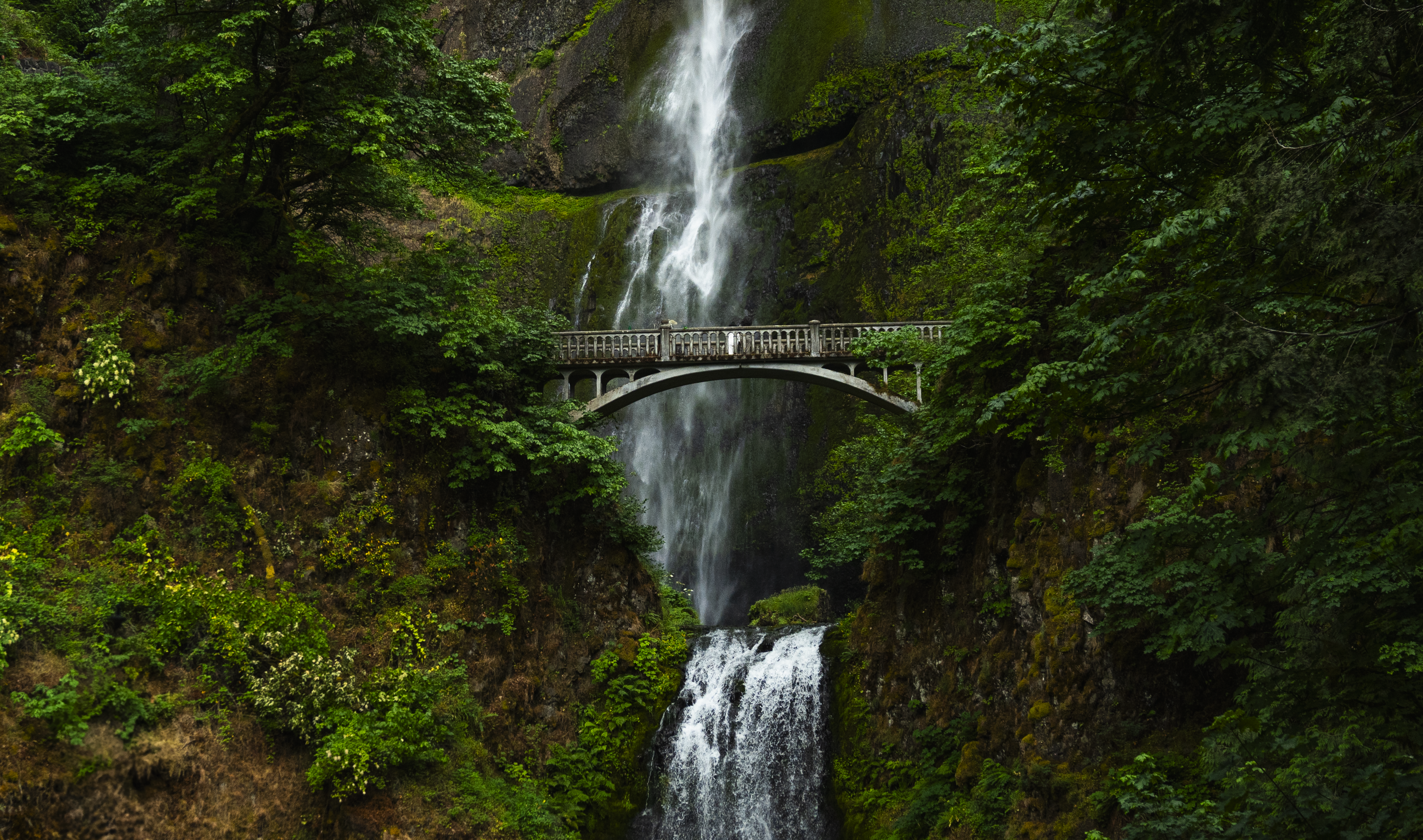
Then the rumors started. They came to her mother, but the whispers had not found her; instead, they found Anita. This did not seem to deter them. She was her mother’s daughter after all. The whispers told her about the island that remained. The conflict between nations over it. Whether to destroy it or not. Who owned it and who didn’t. They wanted an archivist. Someone to go and remember.
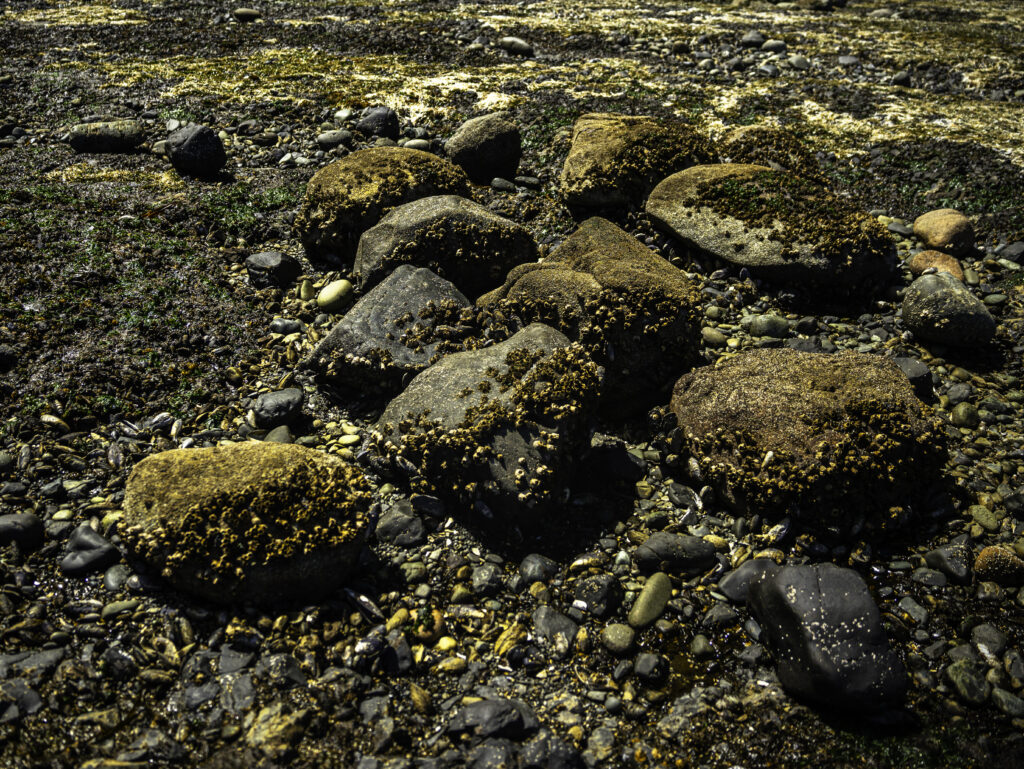
The first thing Anita saw was a forest on a rock on a beach. Like the island knew it was the sole survivor, and it needed to be not just one island but many islands. A woman, Helen, one of the reclusive scientists, approaches and stands at her side. From afar, Anita’s brain could not comprehend how a rock could hold an island. Rocks are small, or at least the ones she’d seen in her mother’s office.
“I think we can take off our masks now,” Helen says.
Anita touches the mask over her nose and mouth, but doesn’t move to remove it. It’s designed with technology that makes it feel seamless on the skin. Apparently, a few generations back, a massive number of people died because the masks provided were too uncomfortable. People wouldn’t keep them on even if it meant protecting themselves. These masks lie perfectly on the face; there is no need for strings of any kind to be hooked over ears. It’s also designed to completely disappear once it’s on. Giving the illusion that there’s no mask between you and the world. Sometimes, if you squint at someone during a conversation, you can see a faint line above the arch of their nose, but then people start looking at you funny for staring too long.
Her mother’s room retained real oxygen because it was an enclosed space. It came out as synthetic oxygen because there are vents that can be controlled.
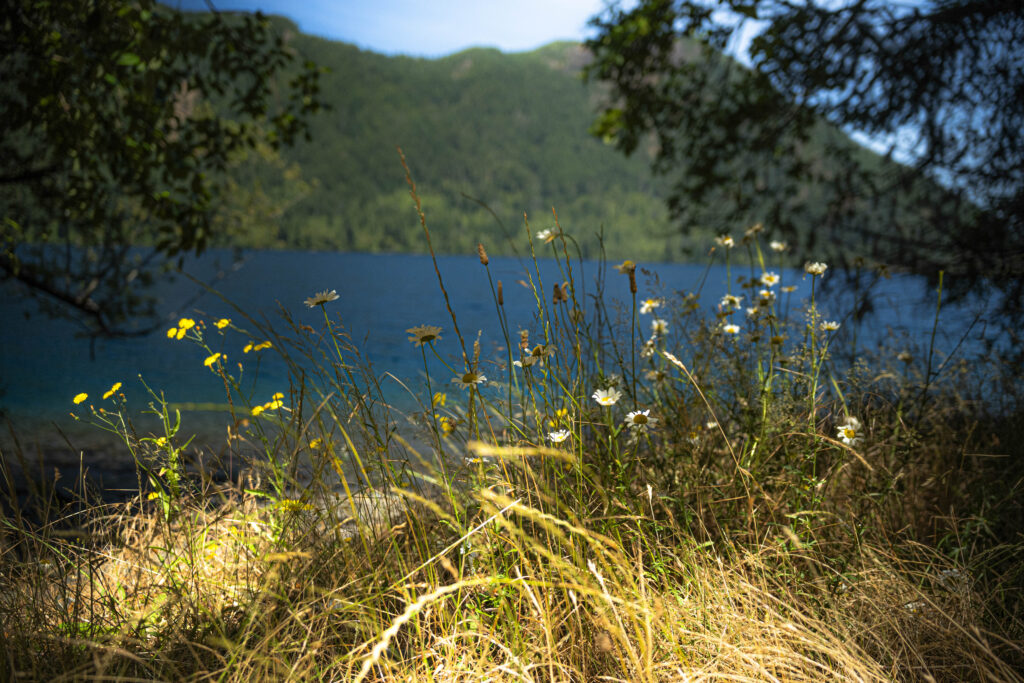
“The air here is safe.” Helen looks annoyed at not being believed right away. The tightness around her eyes and lips completely falls away the moment her mask comes off. Anita watches as this woman breathes in real oxygen. It might be the first time. Maybe as a scientist she’s gotten the privilege of real oxygen, but as her back arches and her eyes close, it seems like the first time.
Anita holds her breath as the mask comes off.
It’s not until tears start to sting her eyes that she’s forced to inhale and exhale. Unlike Helen, who stood gracefully pushing her body towards the invisible force they could not see, Anita fell to her knees. This is not the clean, crisp air of her mother’s office. She had no idea that the ocean had a smell or that Helen had a smell, that she did. They’ve been living on a ship for almost a year. Unable to be without a mask except in their rooms. It wasn’t affordable to have oxygen available throughout the whole ship. Her room was nearly a replica of her mother’s office, without the real plants. Those she had gifted to a conservation group who knew how to better care for them and ensure their survival. The photos, though, the video archive she’d been given access to much later, and her mother’s and grandmother’s journals, they all came with her.
Then Helen is crying. Anita looks up from her fetal position. No, Helen is laughing. She’s clinging to the railing so tightly the black skin around her knuckles turns three shades lighter. Anita is unsure if it’s to keep herself steady or from throwing herself overboard.
“Come, kid, get up. You’re going to miss everything if you stay on the floor like that,” Helen says.
Anita wants to say she’s not a kid. She’s almost 27, but it probably wouldn’t be a believable statement from her current position. Slowly, feeling each muscle lock into position, she stands. She counts her breaths as she moves to stand beside Helen, who is now crying.
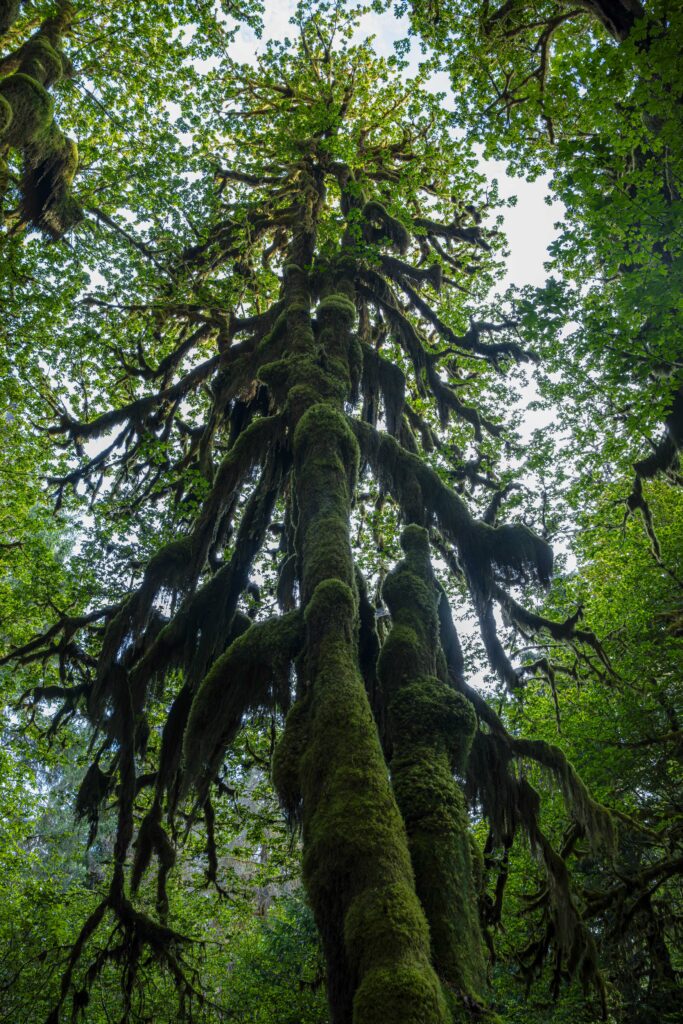
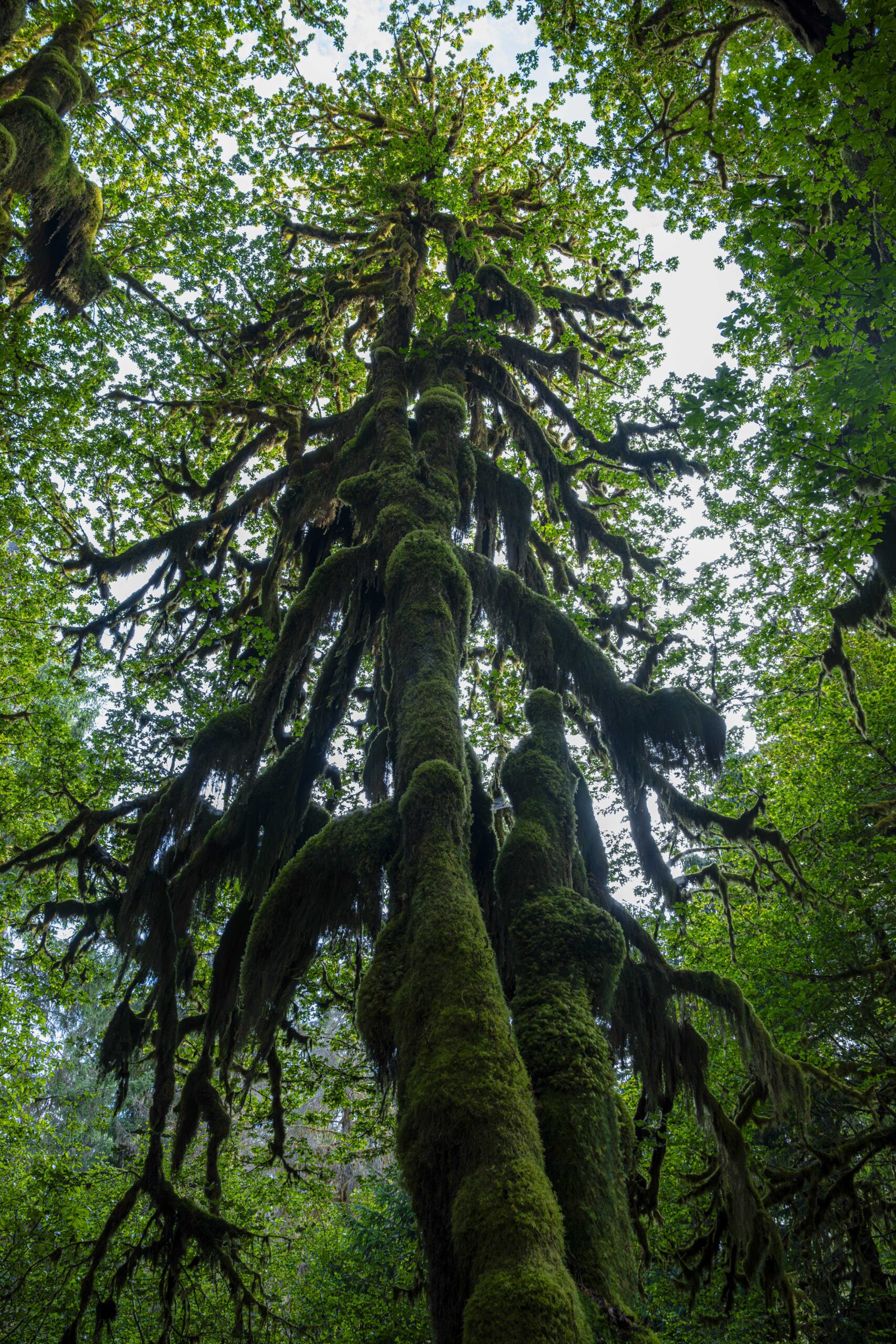
Anita looks up at the island again. They’re nearly there. The ship stops before it reaches shallow waters. They’ll need to board smaller boats to take them the rest of the way. She, a few of the scientists, and three other people with what Anita assumes is some type of image-capturing equipment board the small ship. Anita greets them all, but she’s focused on what’s ahead of her. Her mother’s trees didn’t look like this. They were wide; their trucks took up most of the frame, and their trucks were brown and didn’t get green with leaves until further up. These trees are long, and they have tentacles that seem to reach towards each other as if sensing the need to remain together. Their many arms longing to connect. Do not leave me. So many have left, they say. From top to bottom it seems these trees are covered in green, but it doesn’t look like leaves or flowers. It’s something new. Something not in her mother’s archives.